



From Displacement to Decent Work: How Syrian Refugees Are Rebuilding Lives Through Jobs in Jordan’s Zaatari Camp
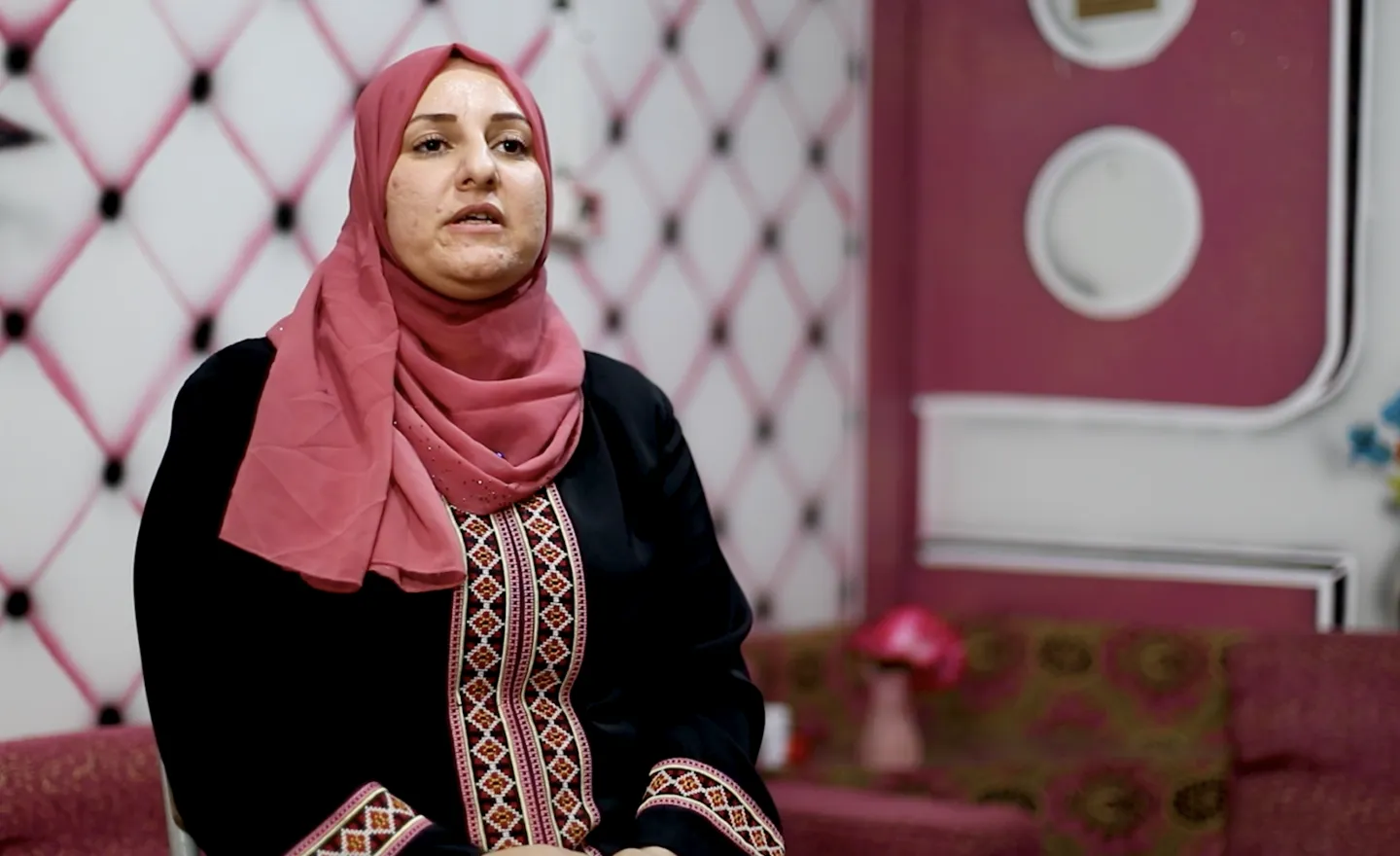
By Darasimi Kikelomo
ILO employment services in Jordan’s Zaatari camp are helping Syrian refugees access training, secure jobs, and rebuild stable livelihoods through decent work.
For thousands of Syrian refugees in Jordan’s Zaatari Refugee Camp, displacement brought years of uncertainty, hardship, and dependence on humanitarian aid. Today, for some, access to decent work is beginning to change that narrative.
Through employment services provided by the International Labour Organization (ILO), refugees such as Hanan and Malika Abdel-Rahim Al-Haraki are transitioning from aid dependency to sustainable livelihoods, using skills training and formal employment to rebuild their lives.
Life in the Early Days of Displacement
When Syrian families first arrived at Zaatari, conditions were extremely difficult. Winters were bitterly cold, summers scorching, and electricity unreliable. Many families lived in tents with minimal protection from the elements, and access to services was severely limited.
As the camp expanded, shelter conditions gradually improved, with more durable housing units replacing tents. However, job opportunities inside the camp remained scarce, leaving most families reliant on humanitarian assistance to meet basic needs.
Hanan recalls spending years without employment, despite her willingness to work.
“There were very few opportunities,” she said. “We depended on aid to survive.”
Connecting Refugees to Work Opportunities
Hanan’s situation changed earlier this year after she learned through social media about the ILO’s Zaatari Office for Employment, a service designed to help refugees access training and employment opportunities legally available in Jordan.
“One day, I decided to visit the office,” Hanan explained. “The staff helped me submit an employment application.”
Shortly after registering, Hanan and several other women were taken to nearby factories for interviews. She was eventually offered a job as a tailor in a clothing factory outside the city of Al Mafraq, marking her first formal employment since fleeing Syria.
The Role of the ILO Employment Offices
The Zaatari employment office operates under the ILO’s PROSPECTS programme, with funding from the Government of the Netherlands. The initiative provides a range of services, including:
- Job matching and placement
- Skills training and vocational referrals
- Assistance with job applications and work permits
- Career guidance and counselling
- Awareness sessions on labour rights, occupational safety and health
- Information on social security benefits and pension withdrawal for refugees planning to return to Syria
The ILO also operates a second employment office in Azraq Refugee Camp in east-central Jordan. Together, the two offices have supported about 700 Syrian refugees since July 2025, helping them access lawful employment in sectors open to refugees, such as agriculture, manufacturing, crafts, and food production.
For Hanan, employment has brought renewed stability and hope.
“Now I can contribute to my household,” she said. “I want to become an independent professional tailor and help my children attain a good position in life.”
A Shared Journey: Malika’s Story
Hanan’s co-worker Malika Abdel-Rahim Al-Haraki shares a similar journey. Malika fled Syria in 2012 at the age of 29 with young children and a husband injured during the conflict.
She remembers the early years in Zaatari vividly, freezing winters, intense heat, limited electricity, and scarce services.
For years, her family struggled to meet basic needs. That changed after an announcement from the ILO employment office encouraged refugees to register their interest in work opportunities.
Malika and her husband visited the office, received guidance, and were supported in obtaining work permits. She was later hired as a tailor in the same factory where Hanan works.
“Work is our only livelihood here,” Malika said. “Without it, we cannot eat or survive.”
While her family continues to face financial pressures, Malika says regular income has restored a sense of dignity and stability.
Supporting Self-Reliance and Future Transitions
According to the ILO, access to decent work not only supports refugees’ immediate needs but also prepares them for longer-term solutions—whether through local integration, resettlement, or voluntary return.
By linking refugees to legal employment, strengthening skills, and providing information on social protection, the employment offices aim to reduce vulnerability and support self-reliance.
For women like Hanan and Malika, decent work has become more than a source of income—it is a pathway to independence, resilience, and the ability to plan for the future after years of displacement.
— GLEBM News