

Afreximbank Commits $75 Million to Expand Financing for Nigerian Small Businesses
By GLEBM News Desk
Small and medium-sized businesses in Nigeria’s export and creative industries are set to benefit from a $75 million financing commitment by the African Export-Import Bank (Afreximbank) to improve access to capital and strengthen their participation in regional and international trade.
The funding will be channelled through the Development Bank of Nigeria (DBN) and its participating financial institutions, providing eligible businesses with financing for working capital, equipment acquisition, export preparation and supply-chain operations.
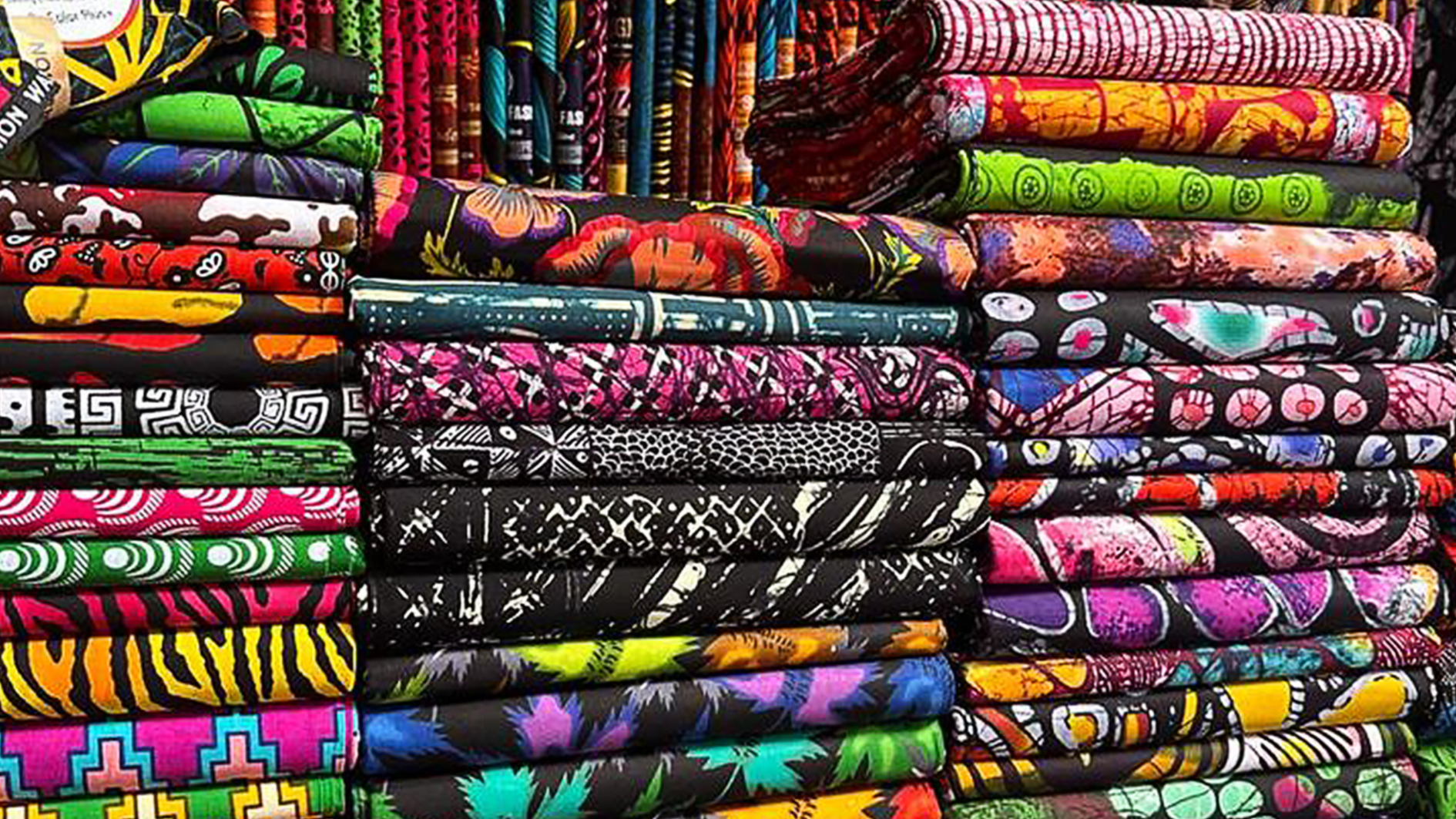
The commitment is particularly significant for businesses operating in sectors such as fashion, film, music, design and other creative industries, where limited access to affordable financing can restrict production capacity, business expansion and entry into international markets.
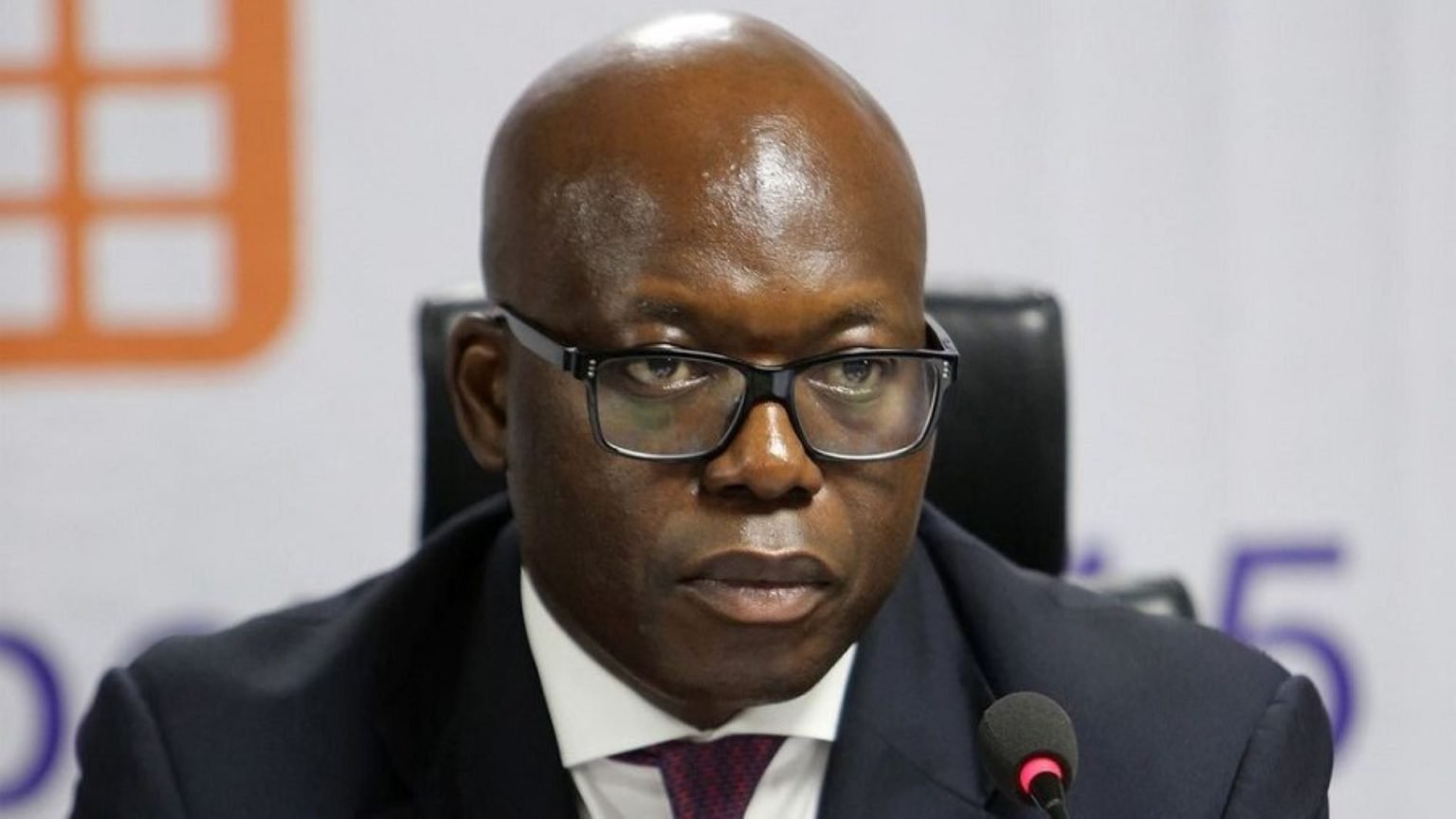
The agreement was announced during the 2026 Creative Africa Nexus Weekend in Lagos. Afreximbank’s Executive Vice President for Intra-African Trade and Export Development, Mrs Kanayo Awani, and DBN Managing Director, Dr Tony Okpanachi, represented their respective institutions at the signing.
Beyond the provision of funds, the arrangement includes plans for capacity-building support aimed at strengthening the ability of participating financial institutions to identify and finance export-oriented enterprises.
Beneficiary businesses are also expected to gain access to Afreximbank-supported trade platforms, including the Pan-African Payment and Settlement System (PAPSS), MANSA, TRADAR and the African Trade Exchange. These platforms are intended to support cross-border payments, trade information and connections with potential markets.
For Nigerian SMEs, access to finance remains a major factor determining whether promising businesses can move from small-scale operations to sustainable commercial enterprises. Companies involved in creative production, for instance, often require substantial upfront spending on equipment, materials, talent and distribution before receiving payment from customers or international buyers.
The facility could help address some of these constraints by providing financing linked to the actual needs of businesses involved in production and trade. However, its effectiveness will depend on the lending conditions, eligibility requirements, speed of disbursement and the extent to which smaller enterprises can access the funds through participating institutions.
The initiative also presents an opportunity to strengthen the connection between Nigeria’s creative economy and export markets. Nigerian fashion, film, music and design already have international visibility, but converting that visibility into consistent export earnings requires investment in production, business management, distribution and market access.
The $75 million commitment therefore represents more than a financing announcement. Its wider economic value will depend on whether businesses can use the capital to increase production, create jobs, develop export-ready products and generate sustainable foreign-exchange earnings.