


Cooking Gas Price Surge Pushes Nigerian Households Back to Firewood and Charcoal
By GLEBM News Desk
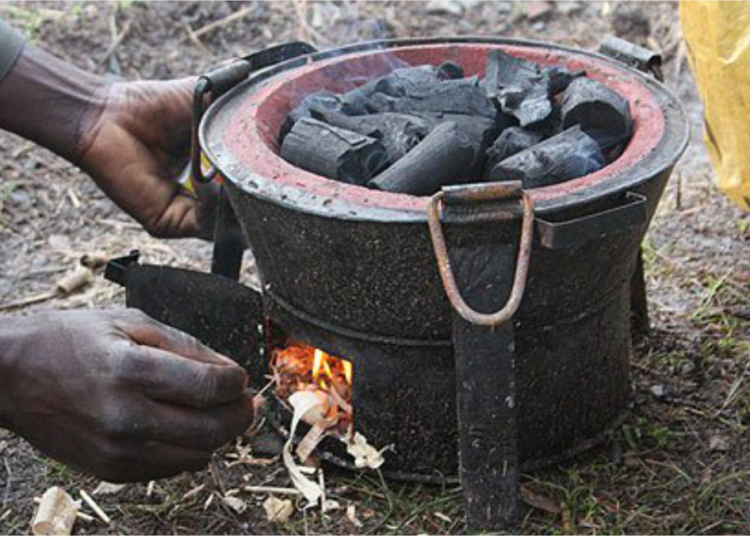
Rising cooking fuel costs are forcing households and small food businesses across Nigeria to reconsider their energy choices, with some families returning to charcoal, firewood and sawdust as alternatives to liquefied petroleum gas (LPG).
A nationwide report published on Friday documented the pressure on households in several states, including Borno, Oyo, Yobe, Kogi, Benue and Plateau. Residents described cutting back on gas purchases or switching to traditional fuels as the cost of preparing everyday meals continues to rise.
Data from the Nigerian Midstream and Downstream Petroleum Regulatory Authority cited in the report showed that the average price of cooking gas reached ₦1,500 per kilogramme in October 2026. The report also noted an 18 per cent increase in September compared with the corresponding period in 2025.
In Maiduguri, Borno State, residents reported that a standard 12.5-kilogramme cylinder that cost about ₦9,000 two years ago now costs between ₦18,000 and ₦21,000 to refill. Some households have responded by purchasing gas in smaller quantities rather than filling their cylinders.
Similar pressures were reported in other parts of the country. In Ibadan, Oyo State, retail prices ranged from approximately ₦1,200 to ₦1,500 per kilogramme, with some residents reporting higher prices during supply shortages. In Lokoja, Kogi State, some outlets were selling gas at ₦1,400 to ₦1,450 per kilogramme.
The impact extends beyond household budgets. Small restaurants and food vendors depend on cooking fuel as a major operating input, and higher energy costs can reduce profit margins or force operators to increase meal prices. Businesses that cannot pass on the full increase may instead reduce portions, operating hours or other expenses.
However, returning to traditional fuels creates its own risks. Smoke from firewood and charcoal can contribute to household air pollution and respiratory problems, while increased reliance on wood fuels may intensify pressure on forests. These concerns are particularly significant for women and children who spend time near cooking areas.
The situation highlights the importance of making cleaner cooking options more affordable and reliable. Improving supply chains, addressing distribution costs and expanding access to suitable clean-cooking technologies could help reduce the pressure on households without forcing families to choose between expensive gas and potentially harmful alternatives.
For policymakers, the latest reports point to a wider cost-of-living challenge: energy affordability affects not only domestic welfare but also food preparation costs, small-business survival and household purchasing power.