


FG Moves to Release Strategic Grain Reserves as Food Prices Remain a Major Concern
By GLEBM News Desk
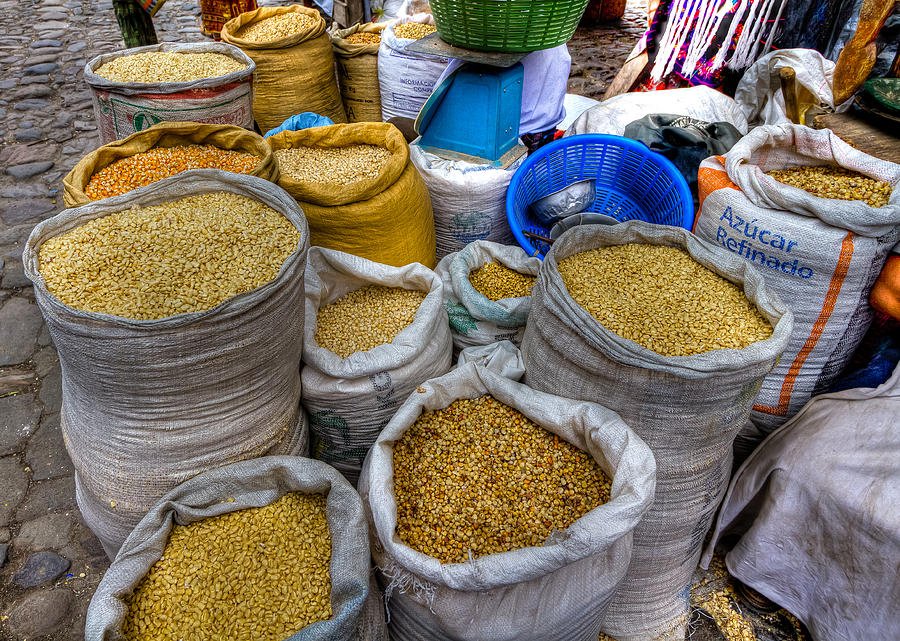
The Federal Government is preparing to release food commodities held under its Guaranteed Minimum Price programme into the Nigerian market as part of efforts to increase supply, moderate commodity prices and strengthen food affordability.
The Minister of Agriculture and Food Security, Abubakar Kyari, disclosed the plan during the presentation of the 2026 Wet Season Agricultural Performance Survey Report in Abuja on Wednesday. He said the government would make the stored produce available to the market, although the quantity and distribution timetable have yet to be announced.
The intervention will be accompanied by plans to distribute three million bags of fertiliser within the next month under the Presidential Fertiliser Initiative. The objective is to reduce farmers’ input costs, encourage expanded cultivation and improve the availability of food across the country.
The Guaranteed Minimum Price programme allows the government to purchase agricultural produce from farmers, providing a market for their harvest while supporting production. Releasing part of the accumulated stock could now increase market supply and help ease pressure on selected food commodities.
Kyari said the government had observed reductions in the prices of some agricultural products, including maize and dairy products, when comparing market conditions in 2025 and 2026. However, annual food inflation remains elevated, indicating that improvements in selected commodity prices have not necessarily translated into broad relief for households.
Data from the National Bureau of Statistics showed that annual food inflation stood at 19.13 per cent in October 2026, compared with 19.59 per cent in September. The October figure was also higher than the 16.30 per cent recorded in October 2025.
The government is also pursuing measures to improve agricultural production beyond the immediate release of stored commodities. These include strengthening the Bank of Agriculture, expanding access to agricultural financing and increasing mechanisation.
The minister disclosed that 2,000 tractors had been deployed, while additional deliveries under the second phase of the programme were expected within two to three months. He also identified growing investment interest in the processing of cocoa, sesame, cassava and cashew nuts.
A separate $33 million investment agreement with a Turkish company for greenhouse projects within Nigeria’s Special Agro-Industrial Processing Zones was also highlighted as part of efforts to expand agricultural production and processing capacity.
The agricultural performance survey projected increased production in 13 of the 17 major crops assessed during the 2026 wet season. However, agricultural researchers have stressed the need for improved storage, post-harvest handling and market access to prevent food losses.
The proposed release of grain reserves could provide short-term support to food supply, but its effectiveness will depend on the volume released, the distribution process and whether the commodities reach markets at prices that benefit consumers.
For Nigerian households, the central test will be whether the intervention produces measurable reductions in the cost of essential food items. For farmers, the challenge is ensuring that efforts to lower consumer prices do not undermine the incentives needed to sustain domestic production.