

ILO Trains Nigerian Journalists on Inclusive Labour and Migration Reporting
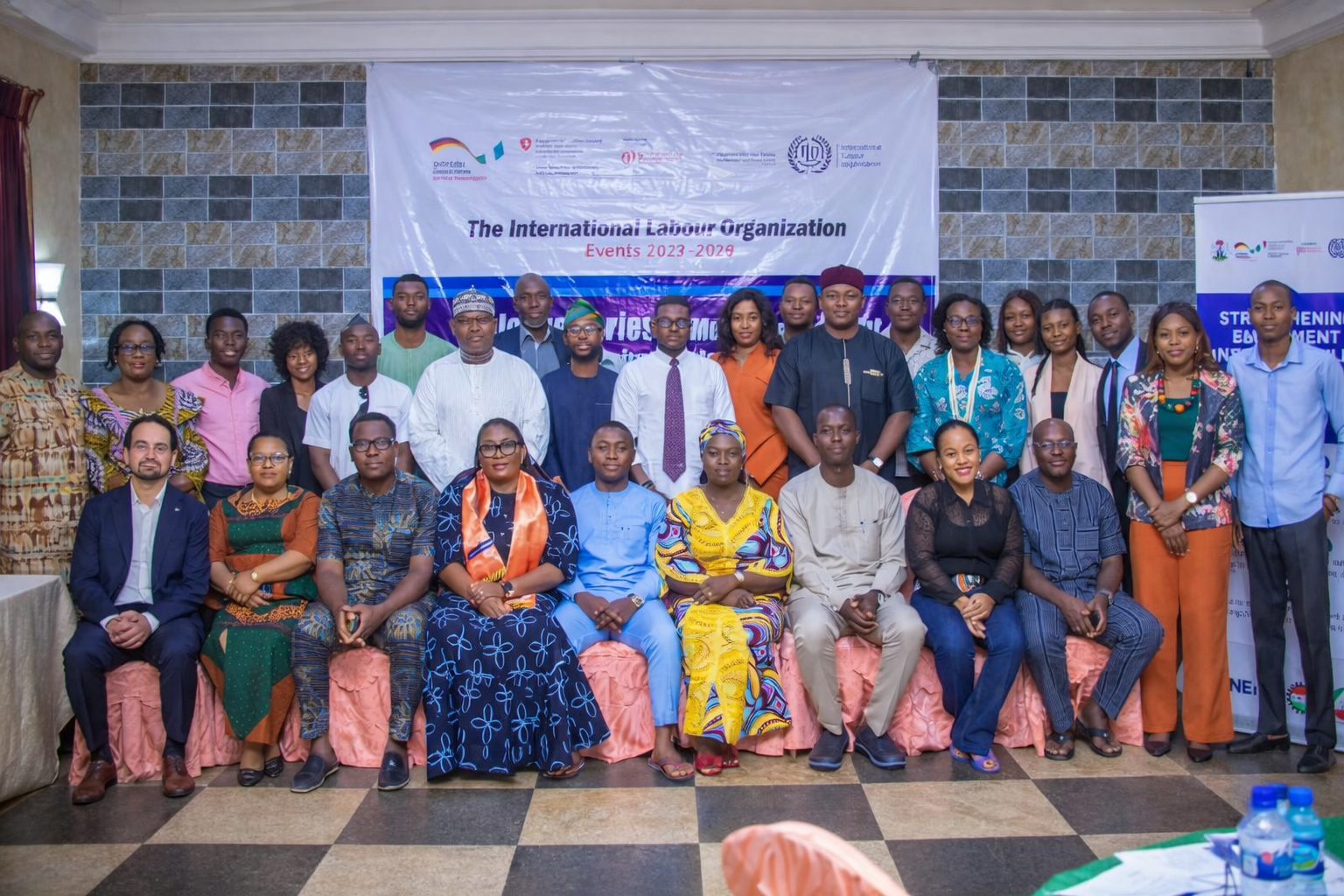
ILO Trains Nigerian Journalists on Inclusive Labour and Migration Reporting
Initiative aimed to improve accuracy, balance, and integrity in labour reportage
Abuja, Nigeria — November 27–28, 2025.
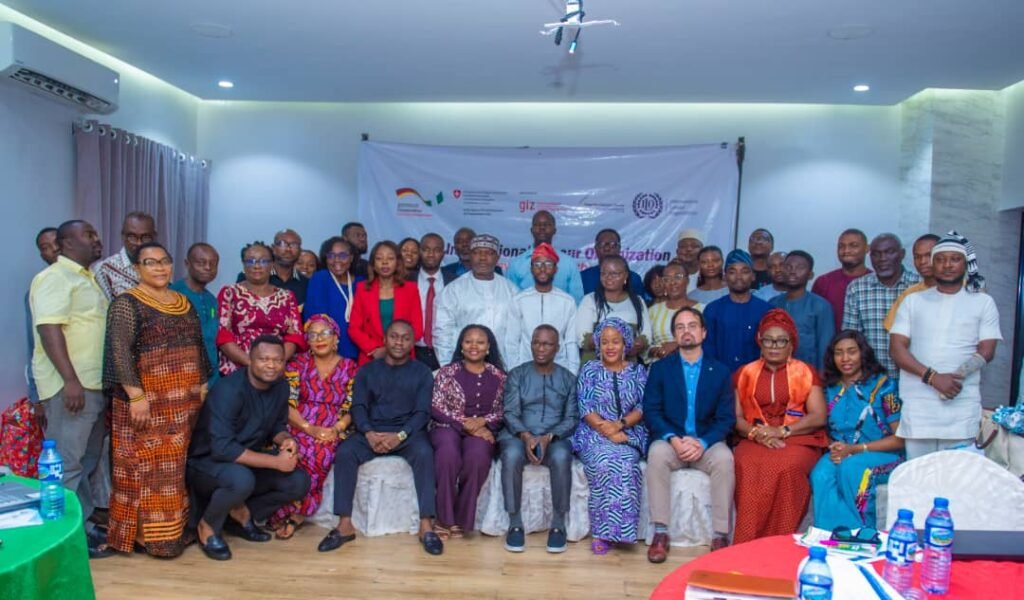
The International Labour Organization (ILO) has successfully concluded a two-day capacity-building workshop designed to strengthen the ability of Nigerian journalists and communication professionals to report accurately and inclusively on employment, labour migration, and decent work.
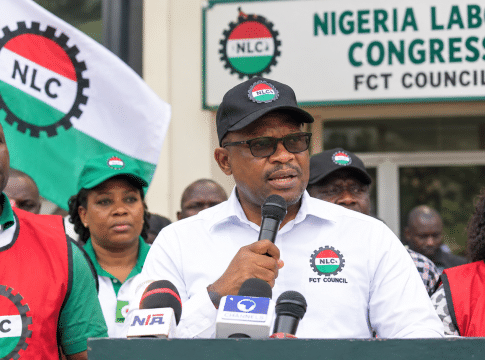
The workshop, held in Abuja, brought together journalists, editors, communication officers, civil society representatives, and the tripartite partners—the Nigeria Labour Congress (NLC), Trade Union Congress (TUC), and the Nigeria Employers’ Consultative Association (NECA)—alongside officials from the Federal Ministry of Labour and Employment (FMLE). The training formed part of Nigeria’s ongoing implementation of the Decent Work Country Programme III (DWCP III 2023–2027).
ILO Highlighted Media’s Role in Shaping Labour Governance
In her goodwill message, Dr. Vanessa Phala, Director of the ILO Country Office for Nigeria, Ghana, Liberia, Sierra Leone, and the Liaison Office for ECOWAS, emphasized the media’s critical influence on public perception and national policy direction.
Phala noted that the workshop deepened participants’ understanding of national labour frameworks—including the National Employment Policy (NEP 2025) and the National Labour Migration Policy—and introduced them to the ILO Global Media Toolkit on Reporting Forced Labour and Fair Recruitment, already adapted for use in Nigeria.
“Accurate and responsible reporting shapes public discourse and affects the lives of millions of workers,” she said.
“Journalists are central to promoting transparency, accountability, and justice in the world of work.”
The training was supported by two GIZ-funded ILO projects: the Strengthening Employment and Employability Systems in Nigeria (SEESIN) project and the ACTION Project focused on labour migration governance. Both projects directly contribute to strengthening labour market governance under DWCP III.
Federal Ministry Commended the Initiative
The Federal Ministry of Labour and Employment also delivered a goodwill message during the workshop, commending the ILO and its partners for convening a timely and impactful engagement.
The Ministry noted that the workshop complemented the Federal Government’s ongoing labour reforms aimed at strengthening labour market systems, improving decent work conditions, and promoting fair recruitment practices.
“The media plays a pivotal role in shaping national understanding of employment issues, migration trends, and workers’ rights,” the Ministry stated.
“Enhancing journalistic capacity for evidence-based reporting is essential for building a labour narrative that reflects fairness, dignity, and accuracy.”
The Ministry reaffirmed its commitment to working with the ILO and other stakeholders to promote an inclusive labour market that leaves no one behind.
A Collaborative Effort with Lasting Impact
Over the two days, participants engaged in interactive sessions, expert presentations, and hands-on exercises covering ethical reporting, labour standards, decent work deficits, migration governance, and rights-based communication practices.
Phala expressed appreciation to GIZ for supporting the SEESIN and ACTION projects and acknowledged the strong partnership of government, employers, and workers’ representatives in advancing decent work priorities in Nigeria.
Strengthening Labour Reporting in Nigeria
The completed workshop has enhanced the capacity of media practitioners to produce fair, balanced, and accurate labour stories—an outcome expected to contribute to more informed public debate and improved labour governance across the country.
“By committing to fairness and integrity in labour reporting, we can collectively build a more equitable and just world of work,” Phala added.