


FG Declares Drug Abuse and Illicit Trafficking National Emergency, Unveils Five-Year Control Plan
By GLEBM News Desk
The Federal Government has called for drug abuse and illicit drug trafficking to be treated as a national emergency, warning that the growing threat has serious implications for public health, national security, economic productivity and the wellbeing of Nigerian communities.
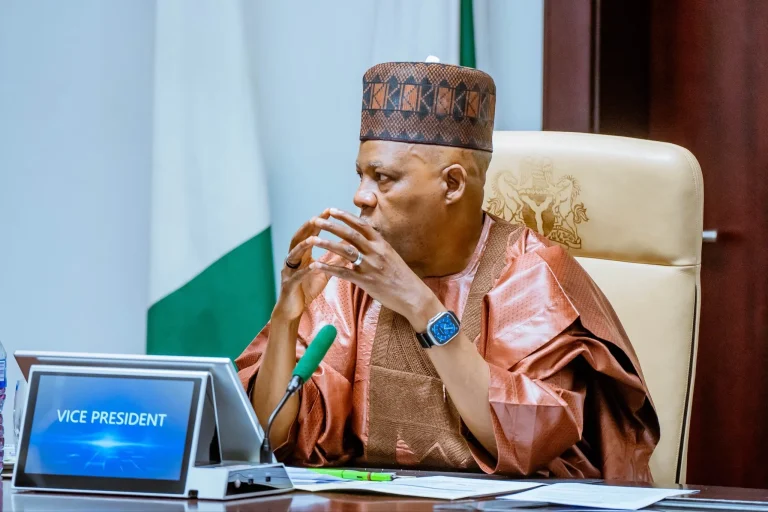
Vice-President Kashim Shettima made the declaration on Monday, November 23, during the official launch of the National Drug Control Master Plan 2026–2030.
Represented by the Special Adviser to the President on Special Duties in the Office of the Vice-President, Modibbo Umar, Shettima said Nigeria needed a coordinated national response that went beyond drug seizures and arrests.
He explained that the challenge required cooperation across government institutions, healthcare providers, educational organisations, security agencies and communities.
The new five-year framework is designed to strengthen the country’s response to both the supply and demand sides of the drug problem. It will also address weaknesses identified in previous interventions, including gaps in institutional coordination, financing, service delivery, data management, monitoring and accountability.
Chairman and Chief Executive of the National Drug Law Enforcement Agency (NDLEA), Brigadier General Mohamed Buba Marwa (retd.), said the plan would strengthen efforts against sophisticated trafficking networks, synthetic drugs and new psychoactive substances.
He also highlighted the increasing use of encrypted communications and cryptocurrency by criminal networks to support illicit drug markets, stressing the need for law enforcement agencies to improve their technological and investigative capabilities.
Attorney-General of the Federation and Minister of Justice, Lateef Fagbemi, said the new framework would require a whole-of-government approach, combining law enforcement with public health, education, social development, financial investigations and community participation.
Fagbemi also stressed the importance of distinguishing between drug traffickers and individuals experiencing drug dependence.
While those involved in trafficking should face the full weight of the law, he said people struggling with drug-use disorders require evidence-based treatment, counselling, rehabilitation and opportunities for reintegration into society.
The distinction is important because drug abuse is not solely a criminal justice issue. It also affects families, schools, workplaces and healthcare systems, while untreated dependence can contribute to social exclusion, unemployment and other health challenges.
The five-year plan is expected to strengthen collaboration among government agencies and improve the use of information in identifying emerging drug threats. It also seeks to address the financial systems sustaining trafficking networks and improve the prosecution and recovery of proceeds linked to drug-related crimes.
The Federal Government’s announcement comes amid growing concern about the effects of substance abuse on young people and vulnerable communities. Drug dependence can disrupt education, reduce productivity and place additional pressure on families and healthcare services.
For the new plan to produce meaningful results, however, implementation will be critical. Adequate funding, trained personnel, accessible treatment facilities, reliable data and sustained cooperation among federal, state and local institutions will determine its effectiveness.
The framework also provides an opportunity to strengthen prevention programmes in schools and communities, improve early intervention and reduce the stigma that often prevents people experiencing substance-use disorders from seeking help.
The government has described the initiative as a national priority. Its success will ultimately depend on whether the commitments translate into stronger prevention, more effective enforcement, accessible treatment and measurable reductions in drug-related harm.