


FOCI 70th AGM: Construction Industry Seeks Urgent Government Action as 41,000 Jobs Are Lost
By GLEBM News Desk
The Federation of Construction Industry (FOCI) has called for urgent government intervention to revive Nigeria’s construction sector, warning that funding constraints, delayed payments, rising operating costs and contractual challenges are threatening the sustainability of the industry.
The call was made on Wednesday, September 16, 2026, at the 70th Annual General Meeting of FOCI held in Abuja, where construction industry stakeholders gathered to review the state of the sector and consider measures for strengthening its future.
The AGM brought together past executives and members of the FOCI Governing Council, industry stakeholders and invited special guests, providing an opportunity to reflect on the federation’s longstanding contribution to Nigeria’s infrastructure development while examining the challenges currently confronting construction companies.
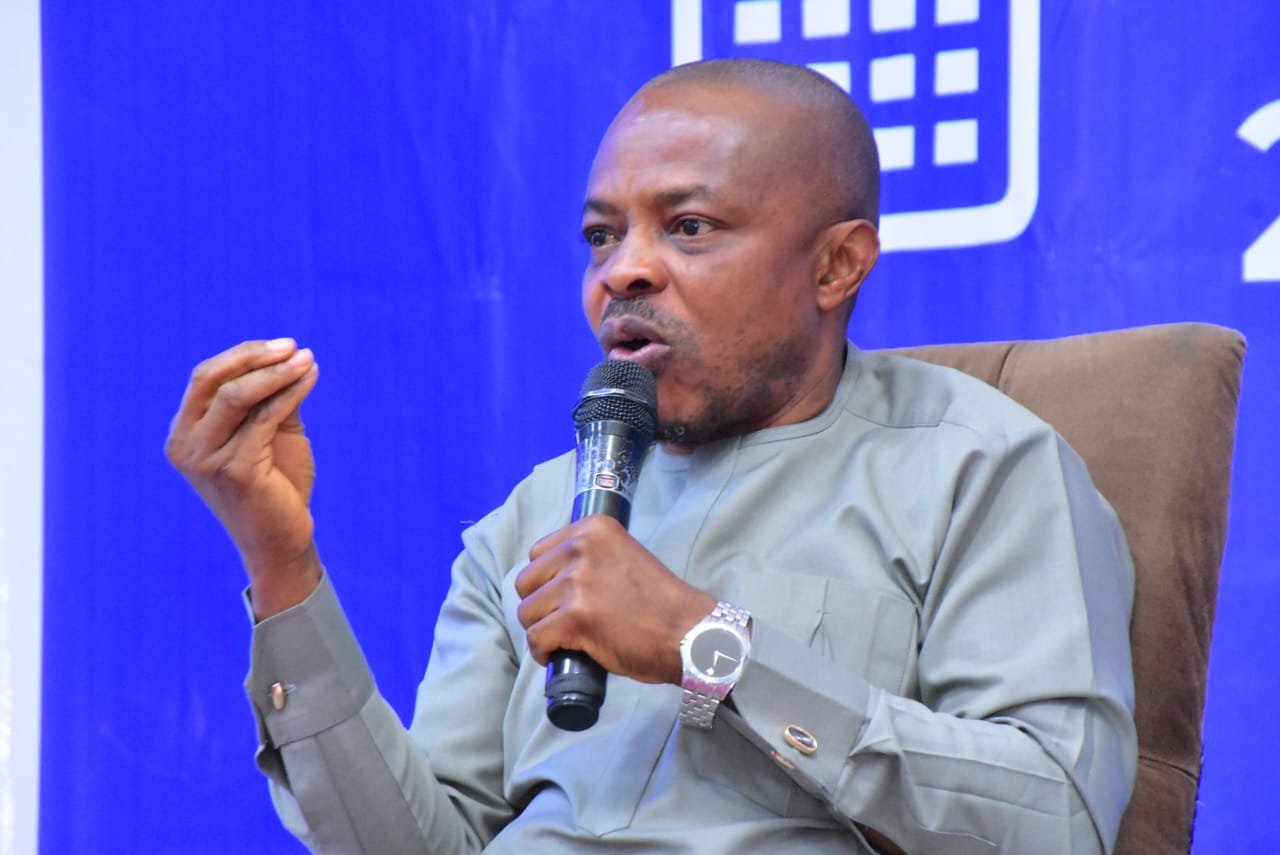
FOCI President and Chairman of Council, High Chief Vincent Barrah, disclosed that the industry had lost about 41,000 workers over the past two years, comprising approximately 1,000 senior-level employees and 40,000 junior workers.
He attributed the employment losses largely to stalled, suspended and terminated projects resulting from inadequate funding and delays in payment for certified work.
According to Barrah, many FOCI members currently handling government projects are either unable to operate or are working at significantly reduced capacity because funds required to continue construction have not been released.
He said the disparity between annual budget provisions and actual cash releases had created a growing accumulation of certified debts, leaving contractors with serious liquidity challenges.

L-R- Chief Patrick Abe (Vice President) Barr.Emeka Okorafor(Deputy President) High Chief Vincent Barrah(President) Mr. Fidelis Imoisili(Director General) Alh. Lukman Popoola(Treasurer)
Barrah said infrastructure projects require continuous funding because contractors must finance labour, materials, equipment and other operational expenses throughout the construction cycle.
Where payment for certified work is delayed, contractors are forced to depend on their own working capital or expensive borrowing to maintain operations.
The federation said the situation has become more difficult because of elevated interest rates, foreign-exchange fluctuations and sharp increases in the prices of construction materials.
Cement, steel, bitumen, diesel, equipment and spare parts were identified among the major inputs whose rising costs have increased the financial burden on contractors.
FOCI said lending rates of between approximately 20 per cent and 46 per cent are placing additional pressure on indigenous construction companies seeking funds to execute projects and maintain their workforce.
The combination of expensive financing and delayed payments, according to the federation, is weakening contractors’ ability to sustain projects and retain workers.
FOCI said reports from unions within the industry indicate that about 40,000 junior workers and 1,000 senior workers have lost their jobs within the last two years.
The federation warned that the consequences extend beyond the workers themselves, affecting their families and the wider network of businesses that depend on construction activity.
Construction projects generate economic activity for artisans, transport operators, suppliers, equipment providers, traders and other businesses. A prolonged slowdown therefore creates a wider multiplier effect across the economy.
Barrah urged stakeholders to facilitate the return of contractors to construction sites so that affected workers can regain employment and stalled infrastructure projects can resume.
Another major issue discussed at the AGM was contract administration. FOCI called for strict adherence to standard conditions of contract and greater involvement of relevant professional bodies and government institutions whenever significant changes are proposed. The federation also wants contract prices to reflect prevailing economic conditions.
According to FOCI, inflation and exchange-rate movements can substantially change the cost of executing a project after a contract has been awarded.
The federation said contract pricing should take into account material costs, labour, geographical location, soil conditions and other factors that determine the actual cost of delivering individual projects.
It also raised concerns over delays in approving contract variations, warning that prolonged delays can force contractors to execute projects at prices significantly below prevailing market costs.
FOCI also reiterated its position on the transition from asphalt to concrete in road construction.
The federation said it has no objection to either construction method but stressed that changing from asphalt to concrete requires proper engineering redesign, equipment adjustments and workforce training.
It argued that an asphalt-designed project cannot simply be converted to concrete without making the necessary technical and contractual adjustments.
The issue has featured in FOCI’s engagement with government previously, making it one of the continuing policy questions affecting road contractors.
Despite the challenges, FOCI maintained that Nigeria’s large infrastructure deficit represents significant long-term opportunities for the construction industry.
The federation said translating larger capital budgets into completed roads, bridges and other infrastructure requires more than budgetary allocations.
It called for funding certainty, project prioritisation, timely payment, realistic contract pricing and efficient contract administration.
FOCI’s position is that restoring confidence within the construction sector would help contractors remain operational, protect jobs and improve the pace of infrastructure delivery.
The 70th AGM therefore ended with a renewed call for stronger collaboration between government and the construction industry to address the financial and administrative challenges affecting project implementation.
For an industry that remains central to infrastructure development and employment creation, the outcome of such engagement could have significant implications for the pace at which Nigeria’s infrastructure deficit is addressed.