



NLC Demands Urgent Government Action as Petrol Prices Surge Across Nigeria
By GLEBM News Desk
The Nigeria Labour Congress (NLC) has called for urgent government intervention to cushion the impact of rising petrol prices, warning that higher fuel costs are placing additional pressure on workers, households and businesses across the country.
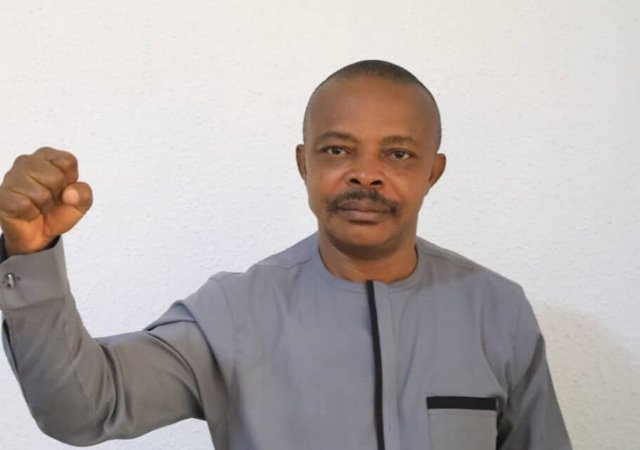
NLC President, Comrade Joe Ajaero, made the call in a statement on the worsening petrol price situation, urging the Federal Government to introduce immediate measures to protect citizens from the economic consequences of the latest increase.
Ajaero said petrol is now selling for about ₦1,430 per litre in some major urban centres, with prices reportedly higher in areas where access to petroleum products is more difficult.
According to the NLC president, the increase is already affecting the wider cost of living because transportation costs influence the prices of food, housing, education and other essential services.
He warned that continued increases in fuel prices could further weaken household purchasing power and deepen economic hardship among Nigerians.
Ajaero urged the Federal Government to provide reasonable wage awards to workers to help cushion the effect of the latest increase in the cost of living.
He also called for increased supply of crude oil to domestic refineries through transactions denominated in naira, arguing that locally available crude should support domestic refining capacity rather than expose local refiners to additional external costs.
The NLC president further urged government to expand national petroleum storage capacity as part of a broader strategy to strengthen the country’s energy security and improve its ability to respond to supply disruptions.
According to him, stronger domestic energy infrastructure could also create employment and economic opportunities while reducing the vulnerability of Nigerians to international supply shocks.
Ajaero argued that government intervention should not be viewed solely through the lens of conventional subsidy policy, particularly when citizens are facing an extraordinary increase in energy costs.
He said targeted intervention could be justified during periods of severe economic disruption to protect vulnerable households and maintain economic stability.
The NLC’s position comes amid renewed volatility in international energy markets linked to the conflict in the Gulf, which has contributed to higher crude oil and refined-product prices.
Ajaero said Nigeria, as an oil-producing country with expanding domestic refining capacity, should be able to develop mechanisms that provide some protection from external energy shocks.
He maintained that government should use available fiscal space to support measures that reduce the impact of the crisis on citizens.
The NLC also raised concerns over the continued dependence of domestic refineries on imported crude.
Ajaero described the situation as inconsistent with the objective of developing local refining capacity and urged government to ensure that Nigerian crude is sufficiently available to domestic refineries.
The labour leader argued that a stronger domestic crude supply arrangement would help refineries operate more efficiently and could reduce the country’s exposure to international crude and refined-product market fluctuations.
He said Nigeria’s oil resources should translate into greater domestic economic benefits, particularly at a time when citizens are facing rising transportation and living costs.
The NLC said the latest petrol price increases require an urgent policy response because of their potential effect on the wider economy.
Ajaero argued that higher transportation costs eventually feed into the prices of goods and services, placing additional pressure on wages and household incomes.
He therefore urged the Federal Government to act quickly through wage support, stronger domestic crude supply arrangements, increased petroleum storage capacity and other measures capable of cushioning consumers.
The labour movement also warned that it would continue to monitor developments in the downstream petroleum sector and speak out on policies that it believes are worsening economic pressure on workers and the wider population.