

NLC Gives Tinubu Government Two Weeks to Address Wage, Petrol Price and Health Sector Disputes
By GLEBM News Desk
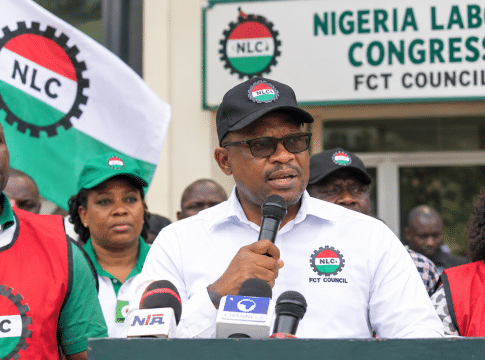
The Nigeria Labour Congress (NLC) has issued a two-week ultimatum to the Federal Government to begin renegotiating the national minimum wage, take steps to reduce petrol prices and implement outstanding agreements with public sector and health workers, warning that failure to meet its demands could trigger further action by the labour movement.
The ultimatum, which takes effect on Friday, October 9, was announced in a communiqué issued after a joint meeting of the NLC’s National Executive Council and Central Working Committee held at Olaitan Oyerinde Hall, Labour House, Abuja, on Wednesday, October 7, 2026.
The meeting reviewed the country’s economic conditions, the rising cost of living and unresolved labour disputes, concluding that workers’ earnings were no longer sufficient to meet essential household expenses.
The union said the government must act within the two-week window to address the pressure on workers’ purchasing power and implement outstanding commitments to organised labour. It warned that failure to comply would compel the Congress to take further measures as directed by its relevant organs.
At the centre of the dispute is the erosion of wages by inflation, currency depreciation and rising costs of food, housing, healthcare, transportation and education. The NLC argued that these pressures have significantly weakened the value of workers’ earnings and left many households struggling to meet basic needs.
“The current national minimum wage has been rendered worthless by the relentless depreciation of the naira and the astronomical rise in the cost of living,” the communiqué stated.
The Congress maintained that the minimum wage must be reviewed to reflect prevailing economic realities, insisting that workers should be able to afford basic necessities without being pushed further into hardship.
It therefore demanded that the Federal Government commence negotiations for a new national minimum wage before the end of October, stressing that any further delay would be unacceptable.
The demand places renewed pressure on the government to engage organised labour over the adequacy of the current wage framework, particularly as workers contend with higher household expenses and reduced purchasing power.
The NLC also called for an immediate reduction in the pump price of Premium Motor Spirit, commonly known as petrol, arguing that high fuel costs have increased transportation expenses and contributed to the rising prices of food and other essential commodities.
The union wants petrol prices reduced to the level prevailing when the current national minimum wage agreement was signed in 2024. It said such a measure would help cushion the impact of the energy crisis on workers and households.
According to the communiqué, the cost of petroleum products has placed an additional burden on Nigerians, with the effects extending beyond transport to the wider cost of doing business and the prices paid by consumers.
The Congress criticised government policies that, in its assessment, have allowed fuel prices to rise without adequate protection for vulnerable households. It also called for coordinated action by the Federal Government and relevant agencies to address the situation.
Beyond wages and petrol prices, the NLC is demanding tax relief for workers and the immediate payment of wage awards intended to cushion the effects of rising living costs.
The union said these measures were commitments that should be honoured rather than postponed while workers continued to absorb the effects of economic adjustment.
The communiqué argued that workers should not be expected to shoulder the consequences of difficult economic policies without corresponding relief from the authorities. It urged the government to implement the agreed measures as part of a broader response to the financial pressure facing employees.
Labour’s demands also extend to unresolved disputes in the health sector and the wider public service. The NLC directed the government to implement the terms of settlement reached with the Joint Health Sector Unions and Assembly of Healthcare Professionals (JOHESU) on February 5, 2026, as well as address additional demands that have emerged since the agreement.
It also called for the implementation of outstanding demands presented by the Joint Public Sector Negotiating Council.
The inclusion of these disputes in the ultimatum broadens the potential consequences of a breakdown in negotiations, as unresolved issues affect several categories of public sector workers and healthcare professionals.
Failure to meet the demands within the stipulated period, the Congress said, would leave its relevant organs to determine the next steps. The communiqué did not announce a specific strike date, but warned that the union was prepared to take remedial action if the government failed to respond.
The NLC’s position reflects its broader concern about the social consequences of current economic conditions. In the communiqué, the union criticised the government’s economic direction, arguing that inflation, currency weakness and rising living costs were intensifying hardship among workers and low-income households.
It also accused the political and economic establishment of failing to adequately address the difficulties confronting ordinary Nigerians. These criticisms represent the Congress’s assessment of government policy as it presses for changes to wages, fuel pricing and worker support.
The union called on its affiliate organisations and progressive allies to remain prepared for further engagement, reaffirming its stated responsibility to resist what it described as exploitation and policies detrimental to working people.
The next two weeks will therefore be significant for industrial relations, with the government facing demands that span wage negotiations, energy pricing, tax relief, wage awards and the implementation of agreements affecting health and public sector employees.
For workers, the central issue is whether negotiations and policy interventions can deliver measurable relief from rising living costs. For the government, the ultimatum presents an immediate challenge to engage organised labour and resolve outstanding commitments before the dispute escalates.
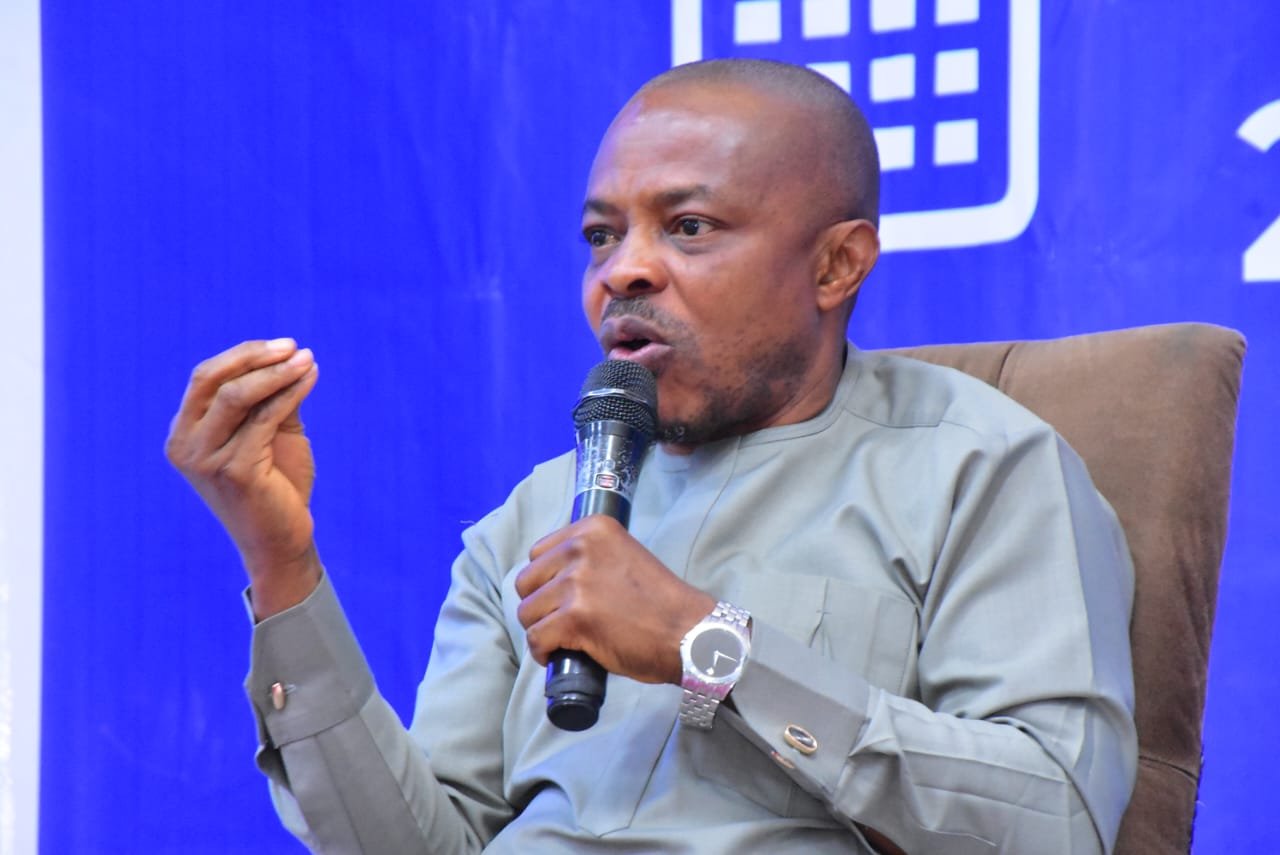
The NLC communiqué was signed by its president, Comrade Joe Ajaero, who reiterated the Congress’s call for workers to remain organised and united in the pursuit of improved living and working conditions.