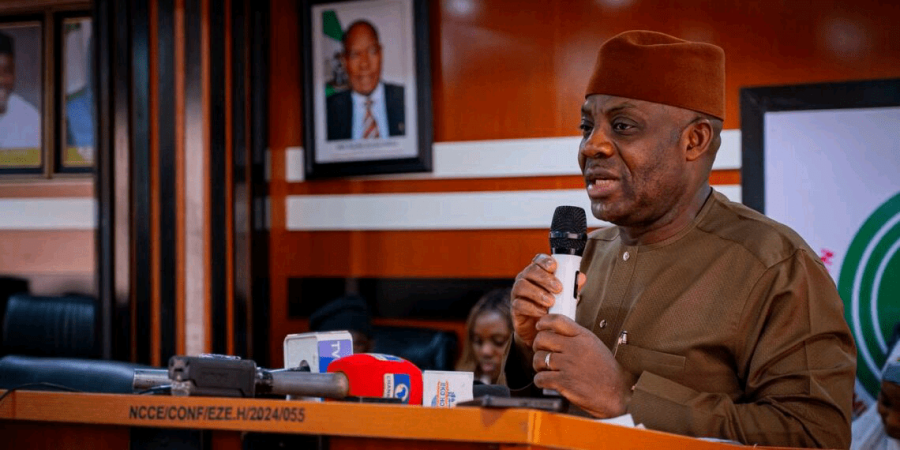



FCT Labour Congress Suspends Strike, Directs Teachers and Affected Workers to Resume
By GLEBM News Desk
The Nigeria Labour Congress (NLC) in the Federal Capital Territory has suspended its indefinite strike and directed affected workers, particularly primary and secondary school teachers, to return to work on Wednesday, October 21, following negotiations over outstanding disputes with the territory’s administration.
The decision marks a significant development in the labour dispute that disrupted public school activities in Abuja and placed pressure on the authorities to address concerns relating to teachers’ promotion, career progression and administrative arrangements.
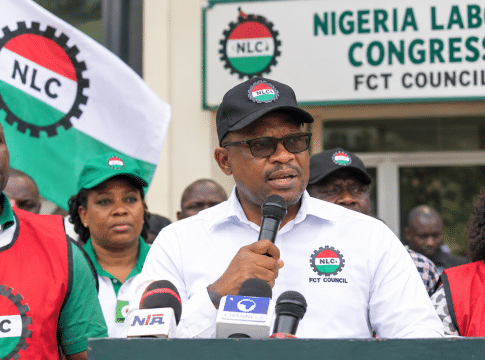
FCT NLC chairman Knabayi Adalo announced the suspension in a communiqué issued after an emergency meeting of the council’s State Executive Council at Labour House in Abuja. The announcement followed conciliatory discussions involving the NLC, the Nigeria Union of Teachers, the Federal Capital Territory Administration and the Federal Ministry of Labour and Employment.
According to the council, the suspension was agreed upon in the interest of social dialogue and industrial harmony after stakeholders reached understandings on several issues affecting teachers and education officers.
One of the matters addressed was the availability of promotion vacancies for education officers. The agreement provides that vacancies for promotion should correspond with established positions declared by the FCT Education Secretariat.
The anticipated retirement of officers at directorate level is also expected to create opportunities for the career advancement of eligible personnel. The arrangement is intended to align promotion opportunities with the positions available within the education system.
The dispute also involved the promotion examination for 2025. Adalo said the FCT Executive Council had approved the process and communicated its decision to the FCT Civil Service Commission. A new examination date is expected to be announced to allow qualified candidates to participate.
The examination is important for eligible staff seeking career progression, but its implementation will depend on the relevant authorities following through on the agreed process and communicating clear timelines to affected workers.
Another issue concerned the deployment of teachers benefiting from the Harmonised Retirement Age for Teachers back to classroom duties. The parties agreed to uphold the FCT Executive Council’s directive suspending the process until further notice.
The resolution reflects the range of administrative concerns that contributed to the industrial dispute. While the return-to-work directive may allow school activities to resume, the underlying issues will require consistent follow-through if the agreement is to produce lasting industrial peace.
The NLC has also made clear that the suspension is conditional on implementation of the agreed terms. According to Adalo, the council will establish a monitoring committee to track compliance with the resolutions and assess whether the responsible authorities meet the specified timelines.
He warned that failure by the FCTA or relevant agencies to implement the agreements would trigger an automatic resumption of the strike without further notice.
The council also said workers who participated in the industrial action would be protected from reprisals, penalties or victimisation under the agreement. Such assurances are important in rebuilding trust between workers and the administration following an extended dispute.
The strike began on October 7, when the NLC directed workers across the FCTA, including those in the private sector, to embark on an indefinite industrial action over unresolved labour disputes and policy grievances affecting teachers.
The disruption placed pressure on families whose children attend public schools and raised concerns about the effect of prolonged industrial action on learning and school administration. A return to work could help restore normal activities, although the actual pace of recovery will depend on schools’ readiness and the implementation of the agreements.
For the FCTA, the immediate challenge is to translate the negotiated commitments into administrative action. This includes clarifying promotion vacancies, announcing the new examination date and maintaining the suspension of the disputed deployment process until further notice.
For the unions, the monitoring process will be central to determining whether the settlement addresses the issues that led to the strike. The NLC’s warning that industrial action could resume means the agreement should be viewed as a conditional resolution rather than the permanent end of the dispute.
The involvement of the Federal Ministry of Labour and Employment in the conciliatory talks underscores the role of dialogue in resolving industrial disagreements. However, successful mediation depends on the parties respecting their commitments after negotiations have ended.
The return-to-work directive is an important step towards restoring normal operations in affected schools and offices. Sustaining that progress will require transparent communication, timely administrative decisions and a mechanism for resolving any disagreements that arise during implementation.
As affected workers resume their duties, attention will shift to whether the agreed actions are carried out within the promised timelines. Their implementation will determine whether the settlement provides a lasting solution or merely postpones another round of industrial confrontation.