

FG Rules Out Electricity Tariff Increase, Targets Better Power Supply and Nationwide Metering
The Federal Government says there are no immediate plans to increase electricity tariffs, as it focuses on improving power supply, expanding nationwide metering and strengthening Nigeria’s electricity infrastructure.
The Federal Government has dismissed reports suggesting an imminent increase in electricity tariffs, assuring Nigerians that its immediate priority is to improve power supply, expand access to prepaid meters and strengthen the country’s electricity infrastructure.
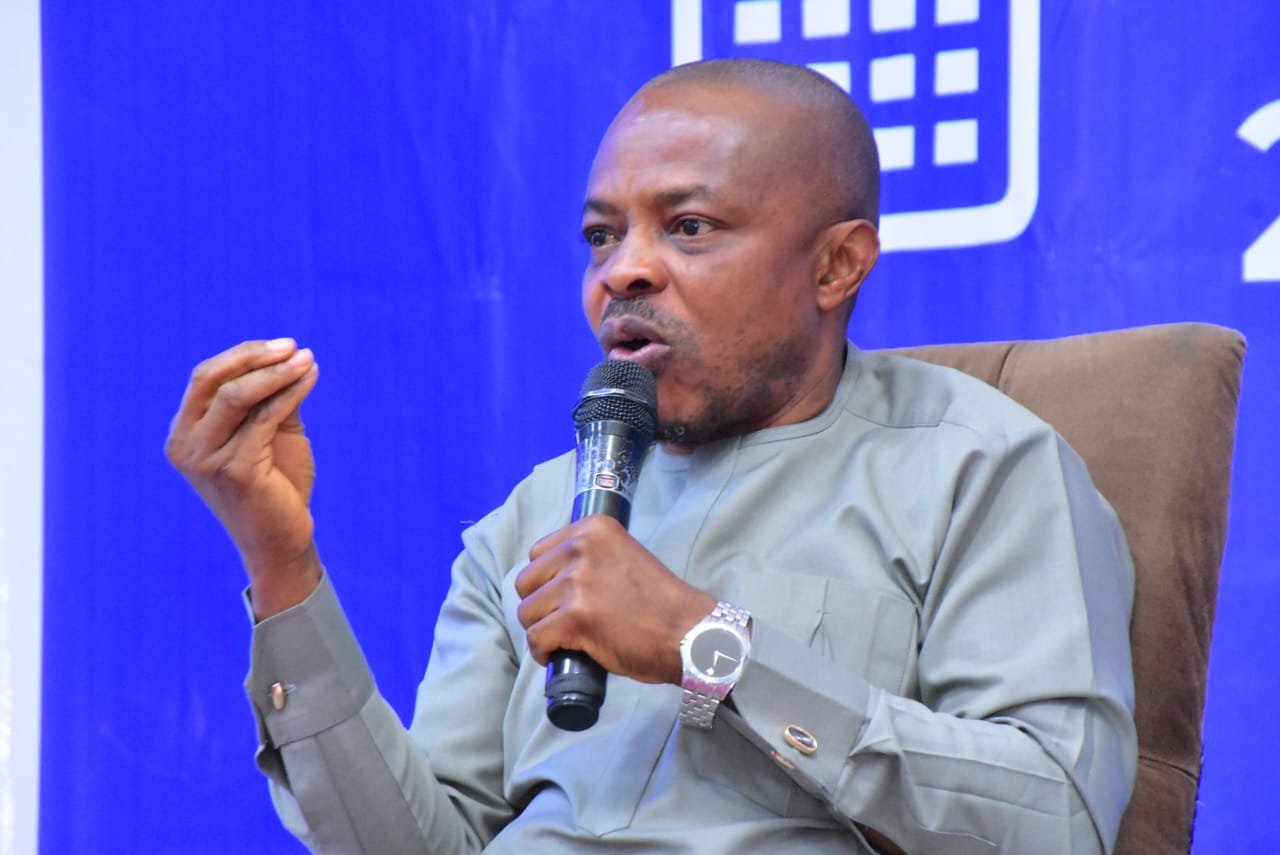
Minister of Power, Joseph Tegbe, gave the assurance during a media stakeholders’ engagement in Lagos, stating that the administration remains focused on delivering a more reliable and financially sustainable power sector while protecting consumers from unfair billing practices.
According to the minister, Nigeria’s electricity generation has remained above 5,000 megawatts (MW) consistently over the past two weeks, a development he described as a positive indication that ongoing reforms are beginning to improve the performance of the sector.
Tegbe said the government’s objective is to ensure that electricity becomes a catalyst for economic growth by improving grid reliability, strengthening the financial viability of the electricity market and restoring investor confidence.
“Our focus is to make electricity more available, improve the reliability of the national grid, build a financially sustainable electricity market and restore investor confidence. Ultimately, we want electricity to drive national productivity rather than limit economic growth,” he said.
The minister stressed that there are currently no plans to adjust electricity tariffs, despite speculation in some quarters. Instead, the government is concentrating on expanding metering nationwide to ensure consumers are billed accurately for the electricity they consume.
He noted that through the Presidential Metering Initiative (PMI), the administration is working towards universal metering, describing accurate billing as essential to improving transparency, fairness and public confidence in the power sector.
Tegbe also disclosed that the Ministry of Power has intensified several interventions aimed at improving electricity supply and expanding metering across the country. According to him, significant progress has been made in resolving longstanding challenges associated with meter procurement, paving the way for faster deployment of meters to electricity consumers.
Beyond metering, he said the government is investing in transmission infrastructure, expanding rural electrification projects and strengthening coordination among institutions across the electricity value chain to support long-term sector reforms.
The minister added that the administration remains committed to creating an enabling environment that encourages greater private sector investment while safeguarding the public interest.
As part of efforts to accelerate the metering programme, the ministry recently launched the Power Force Initiative, which will engage about 5,000 young Nigerians to support the nationwide installation of electricity meters.
The initiative is expected not only to help reduce Nigeria’s metering deficit but also to equip participants with technical skills through the National Power Training Institute of Nigeria (NAPTIN), creating employment opportunities while supporting reforms in the electricity sector.
The latest developments follow a directive issued earlier this year by President Bola Tinubu, instructing ministries, departments and agencies (MDAs) to utilise existing electricity sector legislation in determining how power subsidy costs will be shared among the federal, state and local governments in the preparation of the 2026 national budget.
Industry stakeholders believe that improving electricity generation, expanding metering and strengthening transmission infrastructure remain critical to reducing the cost of doing business, attracting investment and supporting Nigeria’s industrial and economic growth.