



Labour, Youth Ministries Roll Out New Strategies to Prepare Nigerians for the Future of Work
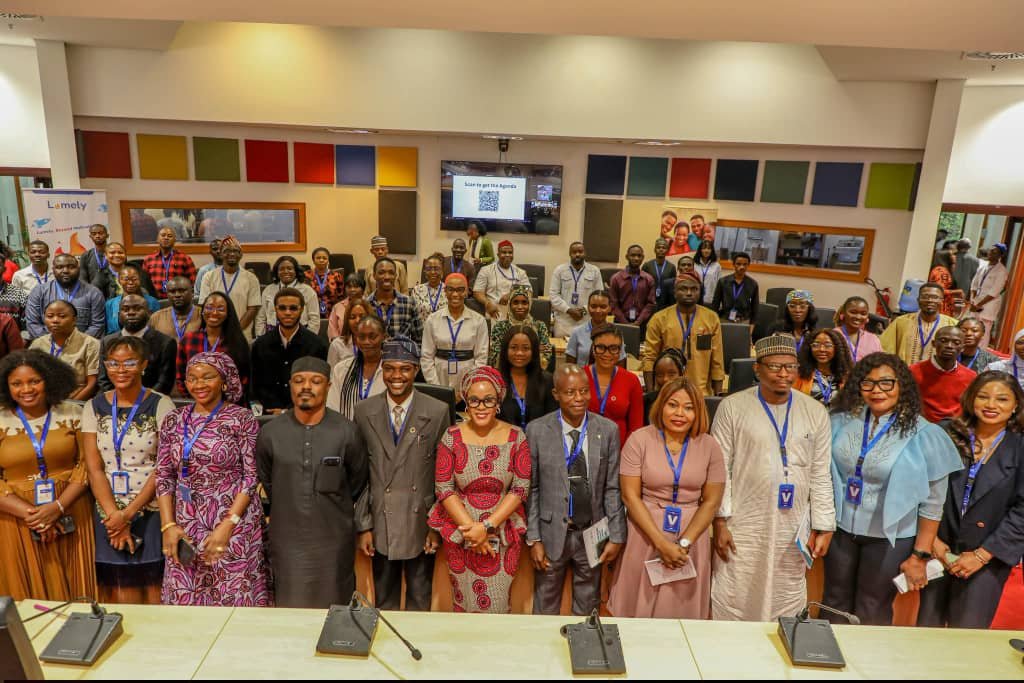
Government unveils policy reforms, skills initiatives and employment programmes to equip young Nigerians for opportunities in the digital and green economy
By GLEBM News
The Federal Ministry of Labour and Employment and the Federal Ministry of Youth Development have unveiled a series of policy reforms and skills development initiatives aimed at preparing young Nigerians for the changing demands of the global labour market.
The measures were highlighted during the commemoration of World Youth Skills Day 2026, organised by the International Labour Organization (ILO) and its tripartite constituents in collaboration with the Federal Ministry of Youth Development and convening youth partners at the United Nations House in Abuja.
The initiatives focus on strengthening employment governance, expanding market-driven skills acquisition, improving access to employment services and ensuring young Nigerians are equipped to take advantage of opportunities emerging from digital transformation, artificial intelligence, entrepreneurship and the green economy.
Youth Ministry Expands Skills Development Agenda
Representing the Minister of Youth Development, Mr. Angwaogu Michael, Director of the Planning, Research and Promotion Department, said the Ministry is implementing an ambitious youth development agenda designed to improve employability and economic participation among young Nigerians.
According to him, the Ministry’s programmes are anchored on the National Youth Policy and the Nigeria Youth Development Action Plan, both of which provide a coordinated framework for promoting entrepreneurship, digital skills development and access to economic opportunities.
He described this year’s World Youth Skills Day theme, “Skills for a Shared Future,” as a timely reminder that investing in young people remains essential for building resilient economies and sustainable societies.
“The Ministry remains committed to empowering Nigerian youth through the implementation of an ambitious agenda aimed at improving employability, entrepreneurship, digital skills and access to economic opportunities,” he said.
Michael highlighted the Ministry’s flagship “One Youth, Two Skills” initiative, describing it as a practical intervention designed to equip every young Nigerian with at least two market-relevant skills capable of promoting innovation, employment and self-reliance.
“Our objective is to equip young Nigerians with practical skills that prepare them for employment, innovation and entrepreneurship while enabling them to contribute meaningfully to national development.”
He added that the Ministry would continue working with development partners and the private sector to expand opportunities for youth across the country.
Labour Ministry Strengthens Employment Reforms
On its part, the Federal Ministry of Labour and Employment outlined ongoing reforms aimed at making Nigeria’s labour market more responsive to emerging economic realities.
Speaking on behalf of the Minister of Labour and Employment, Dr. Tisa Chila, Director of Skills Development, said technological advancement, digitalisation, automation, climate change and demographic shifts are transforming the nature of work worldwide, making it imperative for Nigeria to modernise its employment policies.
According to him, the Ministry has continued to implement programmes that improve employability while strengthening labour market institutions.
Among the key reforms is the implementation of the Revised National Employment Policy 2025, which provides a comprehensive framework for tackling unemployment and underemployment through sustainable and inclusive job creation.
The policy also prioritises digital skills, green jobs, entrepreneurship, labour market adaptability and remote work opportunities as key drivers of future employment.
“The Ministry recognises that youth employment and skills development are central to Nigeria’s economic transformation agenda. Our commitment is to create an enabling environment where young Nigerians can acquire relevant skills, access employment opportunities and participate meaningfully in national development.”
Dr. Chila disclosed that the Ministry is also modernising Job Centres and Migrant Resource Centres across the country to provide career guidance, labour market information, counselling, skills matching and employment services.
“Our vision is to ensure that every young Nigerian has access to reliable employment services and opportunities regardless of geographical location.”
Data-Driven Employment Planning
The Labour Ministry further revealed that it is strengthening Nigeria’s Labour Market Information System to generate reliable data capable of guiding evidence-based policymaking and identifying emerging workforce needs.
According to Dr. Chila, credible labour market intelligence is essential for curriculum development, training investments and ensuring that skills acquisition programmes remain relevant to employers’ needs.
He stressed that closer collaboration between government, employers, educational institutions and development partners is necessary to align training with labour market demand.
Policy Reviews Underway
Government officials also disclosed that major youth and employment policies are currently being reviewed to respond to the realities of today’s labour market.
Representing ILO Country Director Ms. Vanessa Phala, Senior Specialist on Workers’ Activities, Ms. Inviolata Chinyangarara, said the organisation is working closely with both ministries to strengthen Nigeria’s employment governance framework.
She revealed that the ILO has supported the revision of the National Employment Policy 2025 and is partnering with the Federal Ministry of Youth Development to review the Nigeria Youth Employment Action Plan.
According to her, the review aims to ensure that the policy reflects emerging labour market trends while equipping young women and men with the technical, digital, entrepreneurial and green skills needed in today’s economy.
She added that the collaboration also focuses on competency-based training, recognition of prior learning and improving employment services to respond to opportunities created by remote work and the platform economy.
Preparing Nigeria for the Future of Work
Stakeholders at the event agreed that the future of work demands stronger coordination between public institutions, employers, workers’ organisations, development partners and training institutions.
They noted that investment in future-ready skills must be accompanied by policy reforms, improved employment services and stronger partnerships that connect young people to decent work opportunities.
With Nigeria’s youthful population expected to remain one of its greatest economic assets, participants stressed that successful implementation of the ongoing reforms would be critical to building a competitive workforce capable of driving innovation, productivity and sustainable economic growth.
The World Youth Skills Day 2026 celebration concluded with renewed commitments from government institutions and development partners to accelerate the implementation of policies that expand skills development, improve employability and position Nigerian youth to succeed in an increasingly digital and globally competitive labour market.


As a huge football fan I finally found a site that actually understands what us sports bettors want. The odds are fair and the live match updates come through without any lag. I feel confident placing my wagers here every weekend. apostarfutbol
I play here during my lunch breaks and the mobile experience is absolutely flawless. Every spin loads instantly and the payout rates keep me coming back for more. It feels like having a lucky charm right in my pocket whenever I need a break. juegaganabet
Such a fun experience! The promotions they offer are actually fair and the registration process was a breeze. I am loving the vibes here. jilibeecasino