



World Youth Skills Day: NLC Calls for Job Creation to Match Youth Skills Development
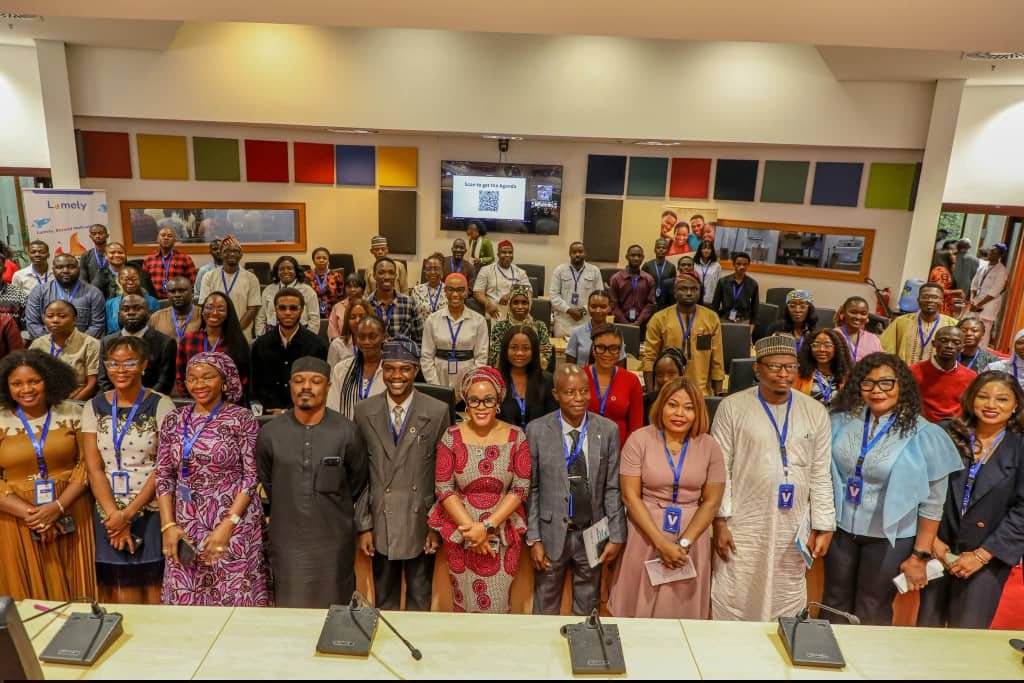
Labour movement says skills acquisition must translate into decent jobs as Nigeria marks World Youth Skills Day 2026
By Kikelomo D.
The Nigeria Labour Congress (NLC) has called on governments at all levels to prioritise job creation and implement policies that guarantee decent employment opportunities for young Nigerians, warning that skills development alone cannot address the country’s growing youth unemployment challenge.
The call was made by Ms. Martha John, who represented the Nigeria Labour Congress at the 2026 World Youth Skills Day celebration held at the United Nations House, Abuja. The event was organised by the International Labour Organization (ILO) and its tripartite constituents in collaboration with the Federal Ministry of Youth Development and convening youth partners.
Delivering the NLC’s goodwill message, John said this year’s global theme, “Skills for a Shared Future,” reflects the collective responsibility of governments, employers, workers’ organisations and development partners to build an inclusive, equitable and sustainable future where every young Nigerian has the opportunity to succeed.
“The Nigeria Labour Congress recognises that skills development is not merely about training; it is about creating pathways to decent work, social justice and shared prosperity,” she said.
According to her, the changing world of work, driven by digital transformation and the transition to greener economies, requires young people to acquire not only technical competencies but also resilience, creativity and adaptability to compete successfully in emerging labour markets.
She, however, stressed that equipping young people with skills without creating employment opportunities would do little to improve their economic prospects.
“The nation’s youth would not hone their skills if they do not have opportunities to express the ones they now possess. These opportunities will not be there if there are no jobs or employment opportunities,” she stated.
John said the availability of jobs depends largely on the strength of the economy and the quality of public policies designed to stimulate employment and inclusive economic growth.
“It speaks to how viable the economy is and how policymakers are able to creatively generate policies that would enable employment generation so that young graduates can have opportunities to gain meaningful employment. Our government at all levels must therefore act deliberately to generate job opportunities for the youth to harness.”
The labour leader acknowledged that many young Nigerians continue to face challenges including informality, underemployment and policy gaps that limit their ability to realise their full potential.
Despite these obstacles, she expressed confidence in the ability of Nigerian youth to drive national development if given the right support.
“We see in our youth the energy, innovation and determination to transform these challenges into opportunities.”
John further declared the readiness of the Nigeria Labour Congress to play a more active role in advancing youth skills development across the country.
She said the Congress is willing to serve as a Special Purpose Vehicle (SPV) for national youth skills development initiatives by providing platforms that enable young people to apply and expand their skills.
“The NLC is willing and truly available to be used as a Special Purpose Vehicle for the purposes of national youth skills development. We believe our youth are able to expand and deepen their skills when they are given platforms to exercise themselves.”
She reaffirmed the labour movement’s commitment to promoting social dialogue and strengthening collaboration among government institutions, employers, workers’ organisations and development partners to ensure that skills acquisition programmes translate into real employment opportunities.
As the voice of Nigerian workers, she urged stakeholders to place young people at the centre of ongoing labour and employment reforms.
“We call on government, employers and development partners to prioritise youth perspectives in the renewal of the National Youth Policy, the redesign of the Nigeria Youth Employment Action Plan and the implementation of the National Employment Policy.”
According to her, these policy frameworks must move beyond promises to measurable implementation supported by adequate funding, accountability mechanisms and clear pathways into formal employment.
John also advocated increased investment in digital skills, green jobs, entrepreneurship and innovation to prepare Nigerian youth for the future of work.
She stressed that targeted interventions should ensure that vulnerable groups, including young women, persons with disabilities and young people working in the informal economy, are not excluded from national development programmes.
“No young person, especially young women, persons with disabilities and those in vulnerable and informal employment, should be left behind in Nigeria’s development journey.”
Addressing young Nigerians directly, John encouraged them to continue developing their talents while actively engaging in efforts to shape the country’s future.
“You are not only the future of work; you are also the present drivers of innovation, sustainability and progress.”
She assured them that the Nigeria Labour Congress would continue advocating policies that create meaningful employment opportunities and support a just transition to Nigeria’s digital and green economies.
“The NLC stands with you in demanding policies that deliver real opportunities, in shaping Nigeria’s Just Transition and in ensuring that no youth is left behind in the digital and green economies.”
She concluded by urging all stakeholders to work collectively towards building a future where skills become a pathway to dignity, prosperity and lasting peace.
“Together, let us build a shared future where skills are the bridge to dignity, prosperity and peace.”
The World Youth Skills Day celebration brought together representatives of the International Labour Organization, the Federal Ministry of Labour and Employment, the Federal Ministry of Youth Development, employers’ organisations, workers’ organisations, development partners and youth groups to discuss practical strategies for strengthening skills development and expanding decent work opportunities for young Nigerians in an evolving global economy.


I’ve tried a few apps lately but this one is definitely the smoothest. The interface is super easy to navigate and the payouts are quick. Highly recommend phgperyaapp for anyone looking for some real excitement.
The bonus offers are actually worth it compared to other sites I have used. The slots are fair and the excitement is real. Give cwdbetslot a go if you love slots.