



Zambia, Japan, ILO Partner to Turn E-Waste into Green Jobs for Youth
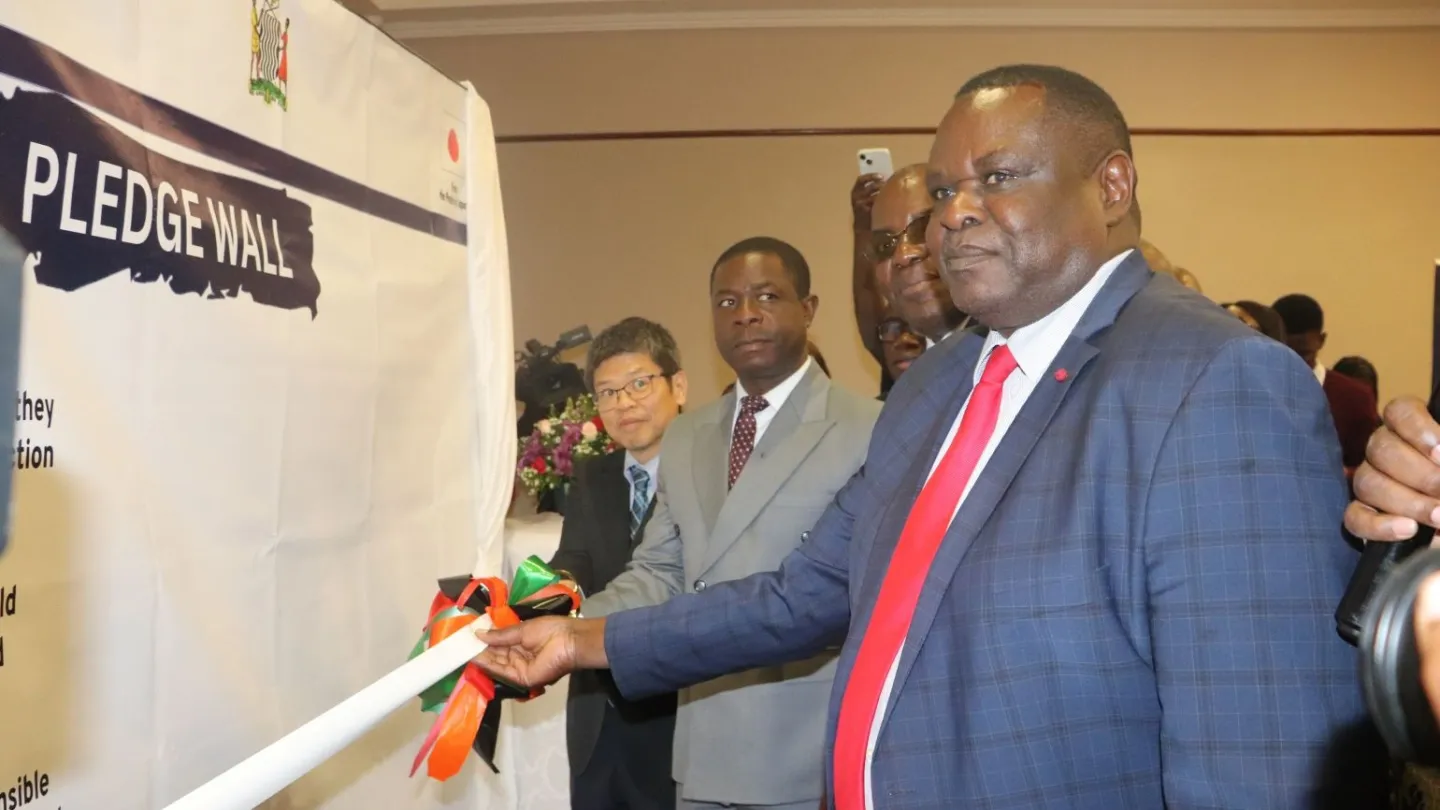
New initiative targets youth unemployment, environmental protection and inclusive economic growth through sustainable electronic waste management
By GLEBM News
The Governments of Zambia and Japan, in partnership with the International Labour Organization (ILO), have launched a new initiative aimed at transforming electronic waste into a source of employment and economic opportunity for young people while advancing environmental sustainability.
The Sustainable E-Waste Management for Youth Employment Project, funded by the Government of Japan, was officially launched in Zambia’s Central Province during a ceremony at the Pamodzi Hotel in Lusaka. The programme is designed to tackle two pressing development challenges, youth unemployment and the growing volume of electronic waste, by promoting green jobs, entrepreneurship and a circular economy.
The project will support the development of sustainable e-waste management systems while equipping young people, women and persons with disabilities with skills needed to participate in emerging green industries.
Speaking at the launch, Japan’s Deputy Chief of Mission to Zambia, Mr. Horii Mizumoto, said the initiative demonstrates how environmental protection and job creation can be pursued simultaneously.
“The Sustainable E-Waste Management for Youth Employment Project tackles two of Zambia’s most pressing challenges at once—unemployment and environmental protection,” Mizumoto said.
He explained that the project reflects Japan’s commitment to promoting green growth, innovation and inclusive development by creating employment opportunities while supporting sustainable waste management.
According to him, the initiative will also showcase Japanese expertise and technology in electronic waste management, contributing to broader sustainable development goals and the objectives of the Tokyo International Conference on African Development (TICAD).
Representing the Zambian Government, Permanent Secretary for Central Province, Dr. Milner Mwanakampwe, described the partnership as an important step towards addressing youth unemployment through environmentally sustainable solutions.
He said the project aligns with Zambia’s broader development agenda by creating pathways for skills acquisition, entrepreneurship and decent work, particularly for young people and vulnerable groups.
“This partnership demonstrates our shared commitment to addressing environmental challenges and youth unemployment while promoting green jobs and sustainable development,” Mwanakampwe said.
The programme also received strong backing from Zambia’s employers’ and workers’ organisations, which described the initiative as an example of how the transition to a greener economy can stimulate business growth and improve livelihoods.
President of the Zambia Congress of Trade Unions (ZCTU), Mr. Blake Mulala, said the project reinforces the principle that environmental sustainability should be accompanied by decent work and strong labour standards.
“The transition to a green economy must create decent, productive and secure employment opportunities for young people while upholding workers’ rights and occupational safety and health standards,” he said.
Mulala added that social dialogue among government, employers and workers would be essential to ensuring that the benefits of the green transition are widely shared.
On behalf of employers, Executive Director of the Zambia Federation of Employers (ZFE), Mr. Harrington Chibanda, said private sector participation would be critical to unlocking the full economic potential of the green economy.
He noted that investment in innovative e-waste management technologies could create new businesses while expanding employment opportunities for young entrepreneurs.
“The private sector is a critical partner in building a green economy. This project presents a unique opportunity to develop skills, foster entrepreneurship and create sustainable employment for young people,” Chibanda said.
The International Labour Organization said the initiative demonstrates how environmental policies can be integrated with employment strategies to deliver long-term economic and social benefits.
ILO Country Office Director for Zambia and Malawi, Mr. Wellington Chibebe, said the transition to greener economies must prioritise decent work and social inclusion if it is to achieve lasting impact.
“The green transition must be a just transition. Through the Sustainable E-Waste Management for Youth Employment Project, we are demonstrating that environmental sustainability and decent work can go hand in hand,” Chibebe said.
He explained that the project will equip participants with practical skills in sustainable e-waste management while expanding opportunities in the growing green economy.
Chibebe further emphasised that the initiative illustrates the value of partnerships among governments, employers, workers’ organisations and development partners in advancing sustainable development.
The project forms part of Zambia’s broader efforts to promote a circular economy by reducing electronic waste, encouraging recycling and creating productive employment opportunities in environmentally sustainable industries.
Stakeholders at the launch expressed optimism that the initiative would not only strengthen environmental protection but also provide a replicable model for creating inclusive green jobs across Africa, particularly at a time when many countries are seeking innovative solutions to youth unemployment and climate-related challenges.