


Remote Surgery Opens New Front in Nigeria’s Specialist Healthcare Drive
By GLEBM News Desk
Nigeria’s healthcare sector has taken a significant step into advanced surgical technology following the successful completion of a remote robotic-assisted operation in Abuja, demonstrating how high-speed connectivity and medical robotics could expand access to specialised treatment.
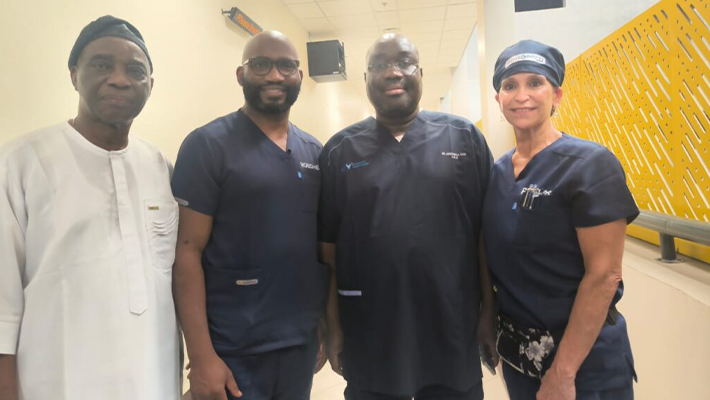
The procedure connected a surgical team operating a robotic system from the Redeemer’s Health Village with a patient receiving treatment at Nisa Premier Hospital in Abuja. The operation involved the removal of a kidney affected by a cancerous tumour.
The development is significant because it brings together two areas that are becoming increasingly important to Nigeria’s healthcare system: specialist medical expertise and digital technology.
Rather than requiring the surgical specialist to be physically positioned beside the patient, the technology enabled the surgeon to control robotic surgical equipment remotely.
Robotic-assisted surgery is designed to give surgeons enhanced precision and control during complex procedures. In a tele-robotic setting, that capability is extended through a secure communications link that allows the surgeon and operating equipment to function across different locations.
For Nigeria, the potential significance extends beyond the individual procedure.
Specialist medical expertise is not evenly distributed across the country. Patients requiring highly specialised treatment may have to travel long distances to major medical centres or, in some cases, seek treatment outside Nigeria.
Remote surgical technology could eventually create another pathway for connecting patients with specialists.
However, its wider adoption would depend on reliable telecommunications infrastructure, sophisticated medical equipment, trained personnel, regulatory oversight and strong safeguards around patient data and surgical safety.
The development also highlights the growing relationship between Nigeria’s technology and healthcare sectors.
Telemedicine has already expanded the ability of doctors to consult with patients remotely. Tele-robotic surgery takes the concept considerably further by allowing technology to support an actual surgical procedure across separate locations.
For technology companies, telecommunications operators, hospitals and medical-equipment providers, this creates potential opportunities for investment in specialised healthcare infrastructure.
The technology could also create demand for highly trained professionals capable of operating, maintaining and supporting advanced robotic systems.
One of the most important requirements for remote surgery is dependable connectivity.
Unlike ordinary video consultations, a robotic surgical procedure involves real-time communication between the surgeon and equipment. Any significant interruption or instability could create serious operational challenges.
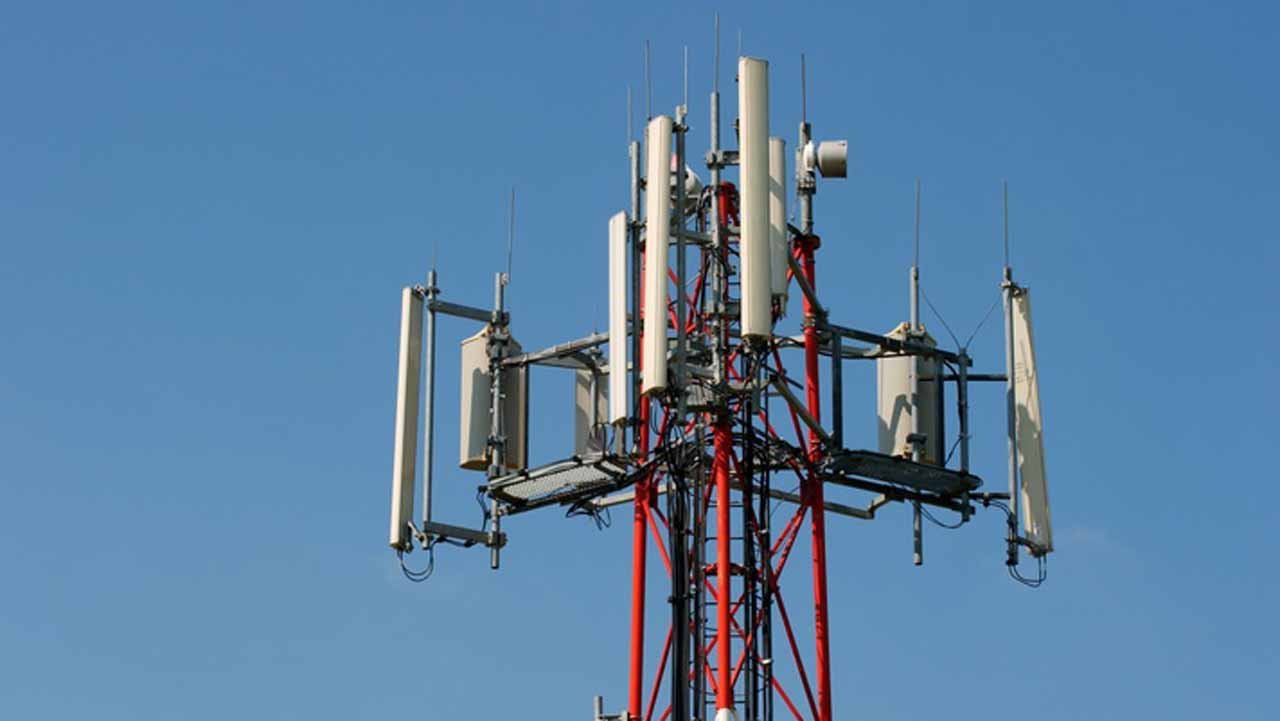
This means that future expansion of the technology would require not only hospitals with advanced surgical equipment but also telecommunications networks capable of supporting highly reliable, low-latency connections.
Nigeria’s continuing investment in fibre-optic networks and broadband infrastructure could therefore have implications beyond conventional internet access.
The successful procedure represents an important demonstration of what is technically possible, but expanding remote robotic surgery across Nigeria would require careful evaluation.
Questions around affordability, patient selection, clinical protocols, equipment maintenance, specialist training, cybersecurity and regulation would need to be addressed before the technology could become widely accessible.
There is also the question of cost. Advanced robotic surgical systems require significant investment, meaning that the technology may initially remain concentrated in major private and specialist medical facilities.
Nevertheless, the Abuja procedure provides a glimpse into how Nigeria could combine medical expertise with digital infrastructure to tackle some of the country’s specialist healthcare-access challenges.
If the necessary systems are developed responsibly, remote surgical technology could become one of several tools helping Nigerian hospitals connect patients with specialised expertise without always requiring patients to travel to the location of the specialist.